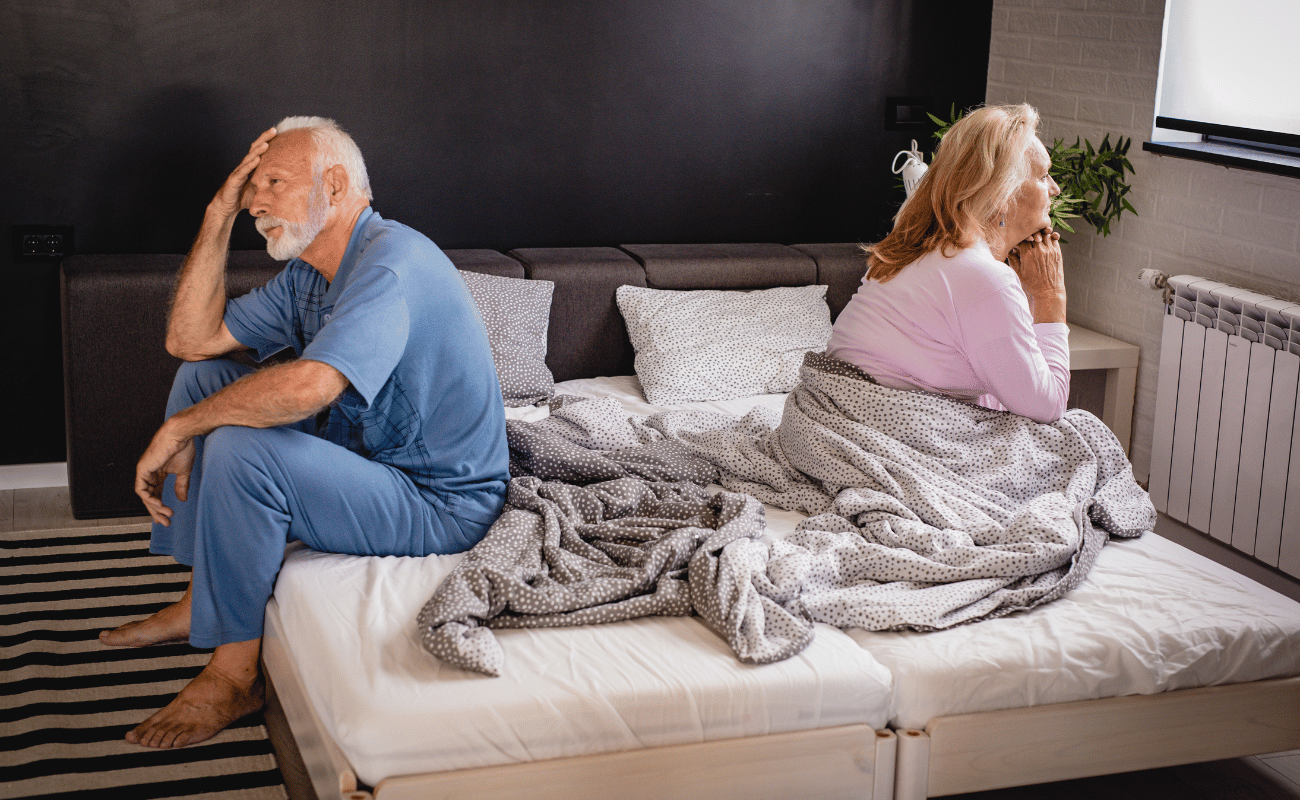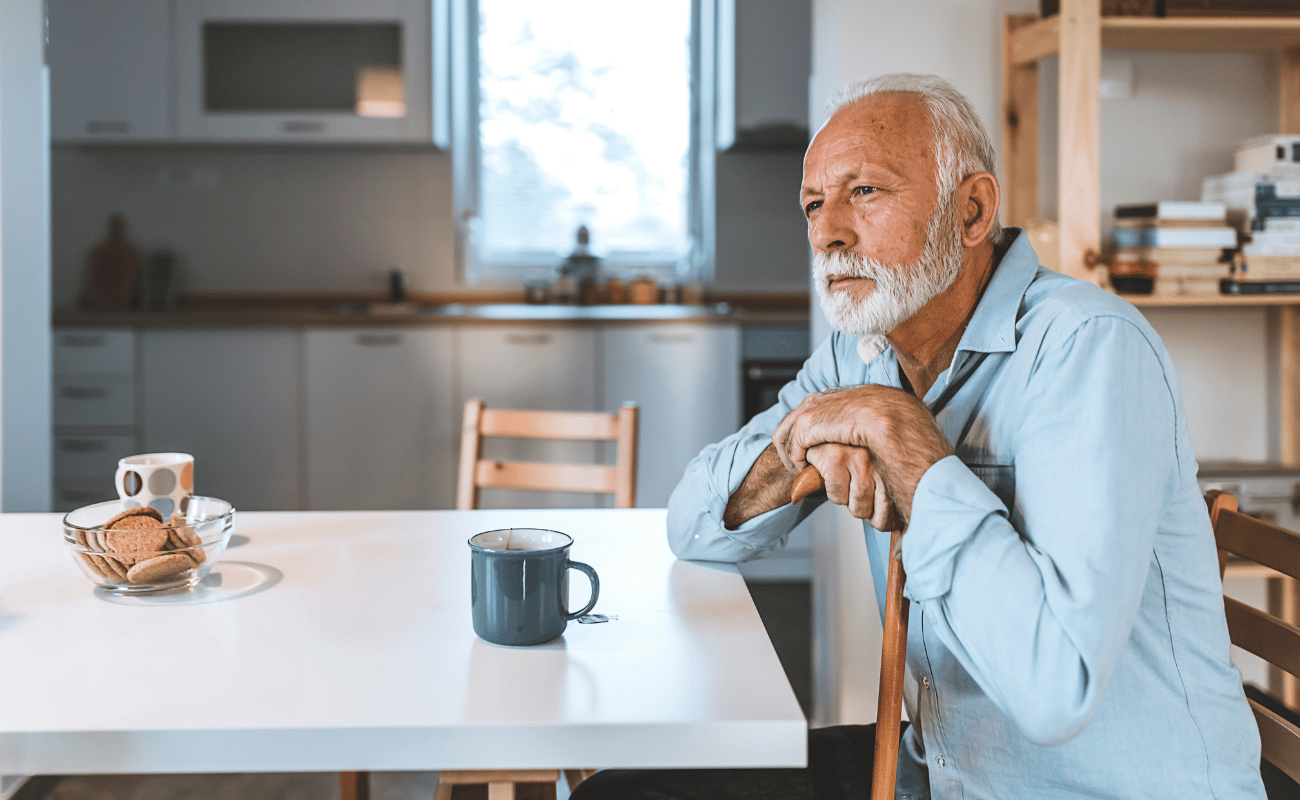
Psychology suggests the most emotionally exhausting relationships are rarely the clearly toxic ones they are the ones where someone is nearly the person you need them to be
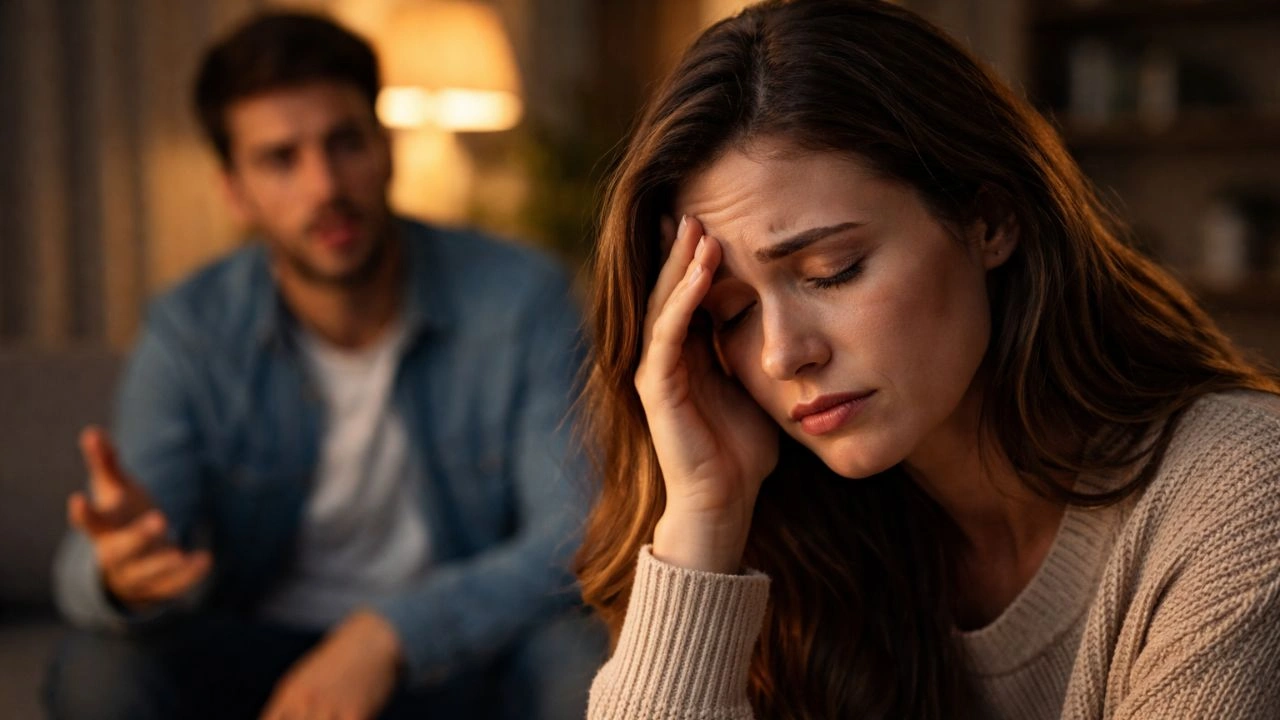
Psychology suggests the most emotionally exhausting relationships are rarely the clearly toxic ones they are the ones where someone is nearly the person you need them to be

The idea Psychology suggests the most emotionally exhausting relationships are rarely the clearly toxic ones they are the ones where someone is nearly the person you need them to be reflects a subtle but powerful emotional reality. These relationships do not appear harmful at first glance, yet they quietly drain emotional energy over time. The … Read more

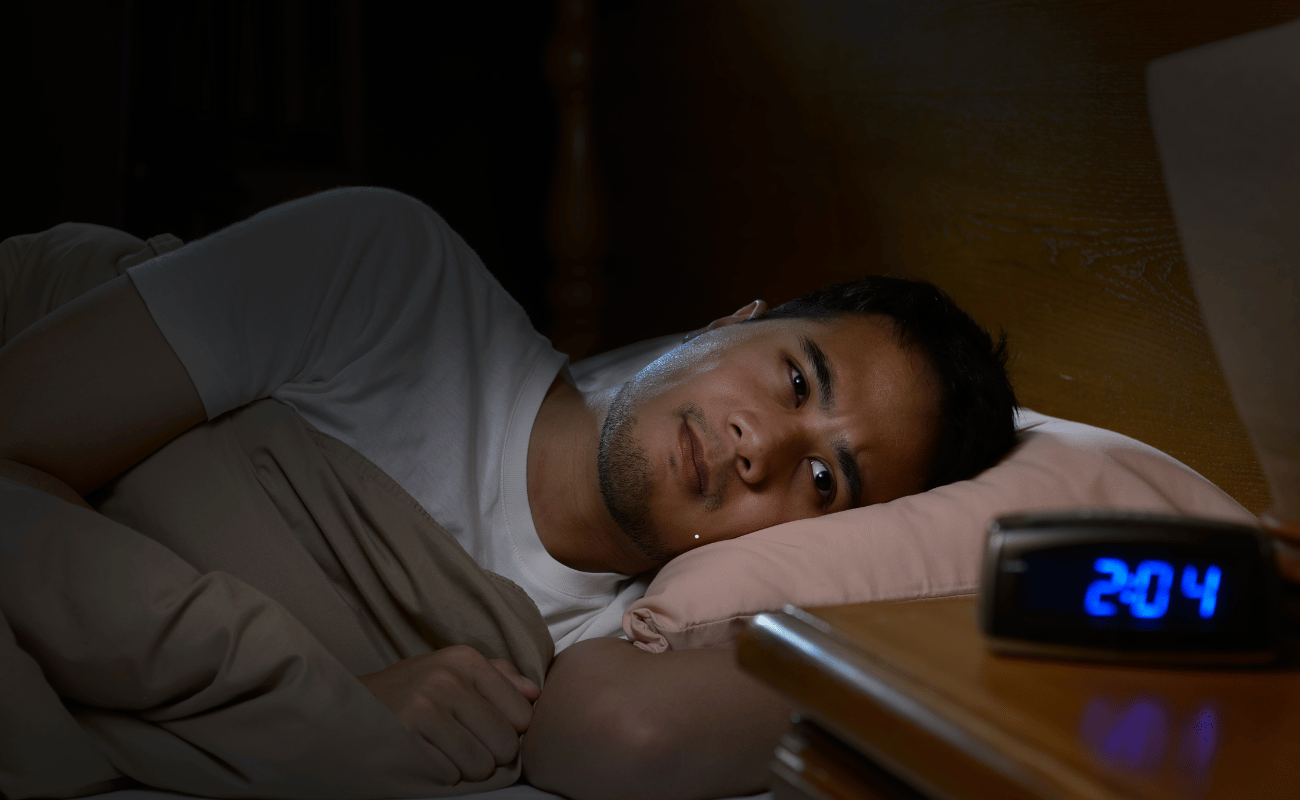
Psychology says the people who grew up in households where nobody talked about money didn’t develop financial anxiety — they developed a specific silence around survival that they passed on to their children as a kind of wordless inheritance nobody knew how to refuse

Psychology says the people who grew up in households where nobody talked about money didn't develop financial anxiety — they developed a specific silence around survival that they passed on to the

Money was never discussed in our house. I don’t mean we were poor and the subject was painful — though there were years that were tight. I mean that the actual facts of our financial life were maintained behind a closed door that nobody knocked on. My parents paid bills in private. Discussions about cost … Read more

The generation raised in the 1960s didn’t call it anxiety — they called it being high-strung, or sensitive, or difficult, and they managed it by working harder and sleeping less and never once considering that the body keeping score might eventually present the bill

The generation raised in the 1960s didn't call it anxiety — they called it being high-strung, or sensitive, or difficult, and they managed it by working harder and sleeping less and never once considering that the body keeping score might eventually present the bill

My father had what his mother called ‘nerves.’ He couldn’t sit still for more than twenty minutes. He slept badly, woke early, filled every available hour with activity. He was enormously productive. He was also, I understand now, running from something that had no name in the world he grew up in. The name, if … Read more

I’m a Psychologist and Recovery Culture Is Keeping People Sick: Why AA Works for Some and Traps Others Forever

I’m a Psychologist and Recovery Culture Is Keeping People Sick Why AA Works for Some and Traps Others Forever

Recovery can become another identity people cling to long after the wound has stopped bleeding. How we turned healing into a permanent role Most people speak about recovery culture with a kind of reverence, and I understand why. Programs like Alcoholics Anonymous have saved lives, restored families, and given structure to people who were once … Read more

Psychology says the fathers who showed love through provision rather than presence weren’t cold — they were operating from the only definition of fatherhood they were ever given, and that definition had no entry for sitting on the floor and playing

Psychology says the fathers who showed love through provision rather than presence weren't cold — they were operating from the only definition of fatherhood they were ever given, and that definition had no entry for sitting on the floor and playing

There is a photograph on my desk of my father. He is sitting at the kitchen table on a Sunday morning, reading the newspaper, in a house that is evidently full of children — you can see toys in the background, a cereal bowl pushed to the side, a child’s drawing taped to the refrigerator. … Read more

The generation that stayed in difficult marriages for decades didn’t do it out of weakness — they did it because leaving required a belief in your own happiness as a valid reason, and nobody had ever told them their happiness was a valid reason for anything

The generation that stayed in difficult marriages for decades didn't do it out of weakness — they did it because leaving required a belief in your own happiness as a valid reason, and nobody had ever told them their happiness was a valid reason for anything

My parents were married for 41 years. I would not describe most of those years as happy, in the way I understand happiness now. I would describe them as managed — a sustained negotiation between two people who had committed to a structure and honored the commitment even when the structure no longer served either … Read more

Psychology says the women who raised families in the 1970s and 80s didn’t choose to put themselves last — putting themselves last was simply the only version of love they were ever shown, and they practiced it so completely they eventually forgot there was another way

Psychology says the women who raised families in the 1970s and 80s didn't choose to put themselves last — putting themselves last was simply the only version of love they were ever shown, and they

My aunt Rose made Christmas dinner every year for twenty-two people until she was seventy-one years old. She started cooking on December 23rd and didn’t sit down, I mean genuinely sit down without getting up to check something, until the dishes were done on Christmas night. For decades, I thought this was love. It was … Read more

The generation that never went to therapy didn’t avoid it out of strength — they avoided it because the idea that your inner life deserved professional attention was a luxury so foreign to their upbringing it didn’t register as an option at all

The generation that never went to therapy didn't avoid it out of strength — they avoided it because the idea that your inner life deserved professional attention was a luxury so foreign to their upbringing it didn't register as an option at all

My mother had a phrase she used whenever someone in the family was going through something difficult. She’d say: ‘You just have to get on with it.’ Not unkindly. She meant it as encouragement, as practical wisdom passed down from her own mother who had raised five children through genuine hardship without the luxury of … Read more

Psychology says the men who grew up in the 1960s and 70s didn’t learn to be emotionally unavailable — emotional unavailability was simply what settled into the space where a father’s tenderness was supposed to be, and they inherited it the way you inherit a piece of furniture nobody remembers acquiring

Psychology says the men who grew up in the 1960s and 70s didn't learn to be emotionally unavailable — emotional unavailability was simply what settled into the space where a father's tenderness was supposed to be, and they inherited it the way you inherit a piece of furniture nobody remembers acquiring

Tenderness doesn’t disappear; it gets replaced so quietly that no one notices the exchange. How silence became the language of care Most people I grew up around believed those men were simply “like that.” Stoic. Reserved. Built from a different material. The story went that they had learned to keep emotions in check, that restraint … Read more

Research shows that people who were raised in chaotic households often become the calmest person in every room — not because they found peace but because they learned to function without it

Research shows that people who were raised in chaotic households often become the calmest person in every room — not because they found peace but because they learned to function without it

There is a kind of composure that comes from the wrong direction. We generally imagine that calm people grew up around calm — that they were held steadily enough, early enough, that steadiness became their default. This is true for some people. But there is another route to the same appearance, and it runs directly … Read more

🎁 Free Gift Claim Now