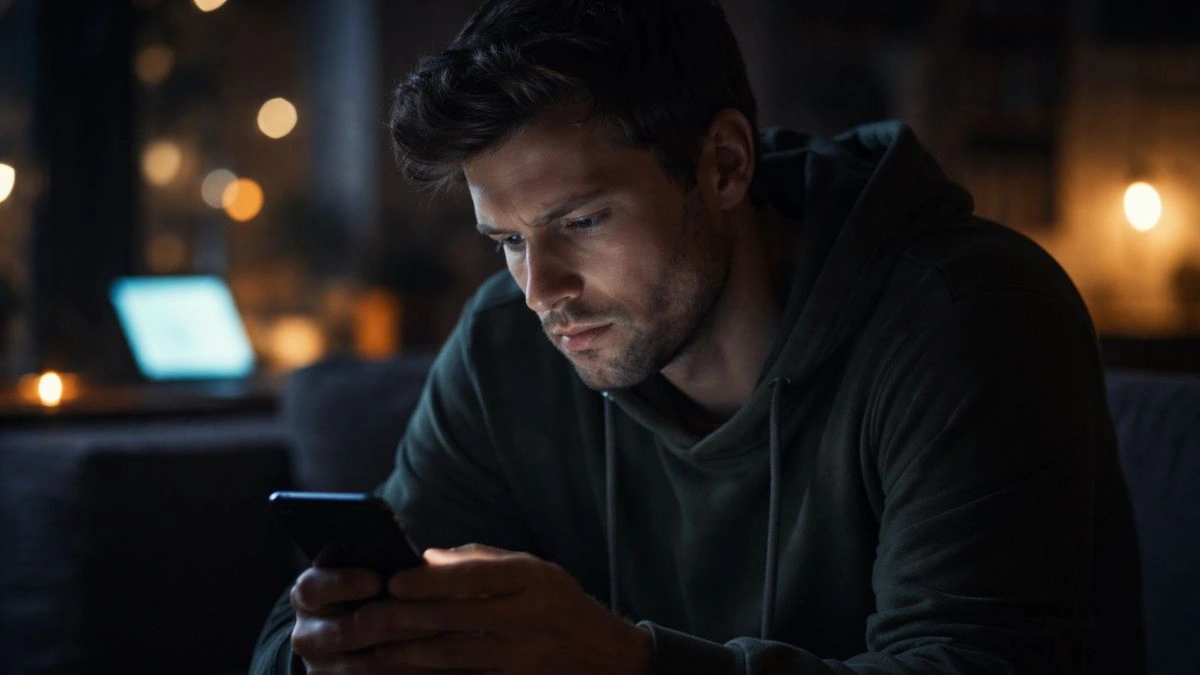
Open any social media app and scroll through a series of posts. It quickly becomes clear that not everything shared online comes from a place of genuine expression. Much of it is driven by the discomfort of staying silent. This realization has led many individuals to rethink their own behavior online. Instead of actively posting, some choose to step back while still consuming content. This shift is not accidental but a conscious decision rooted in awareness and control over digital habits.
Over time, it becomes evident that engaging without contributing publicly can feel more balanced. People who take this route continue to stay informed, explore ideas, and follow updates, yet avoid the pressure of presenting themselves constantly. This selective participation reflects a more mindful approach to social media use rather than disengagement.
The Silent Majority Online
Contrary to popular belief, most social media users are not active contributors. Studies indicate that a large percentage of users prefer to observe rather than interact. These individuals, often labeled as “lurkers,” make up the majority of online audiences. Despite their silence, they are far from disconnected. They absorb information, form opinions, and remain mentally engaged with the content they encounter.
This group is often overlooked in discussions about digital behavior, where the focus tends to remain on active creators. However, their presence highlights an alternative way of interacting online. They prioritize access to information over visibility, choosing to stay informed without stepping into the spotlight.
Social Media as a Performance Space
To understand why many users avoid posting, it is important to recognize the performative nature of social media. Every post, comment, or update becomes part of a curated identity. Users carefully select what to share, often presenting idealized versions of themselves. This process aligns with the concept of impression management, where individuals consciously shape how they are perceived by others.
Unlike real-life interactions, social media amplifies this behavior. Content is visible to a broad audience and remains accessible indefinitely. As a result, the pressure to maintain a consistent and appealing image increases significantly. This ongoing performance demands emotional and cognitive effort, which can become exhausting over time.
For many, stepping back from posting reduces this burden. Without the need to constantly manage perception, the online experience becomes less stressful and more focused on learning and observation.
The Misunderstood Nature of Passive Use
Passive social media use is often criticized for its potential negative effects, such as increased comparison and feelings of inadequacy. While these concerns are valid, they do not apply uniformly to all forms of passive engagement. There is a clear difference between mindless scrolling and intentional browsing.
When users consciously choose to consume content without participating, their experience changes. Instead of comparing themselves to others, they use social media as a tool for information and insight. This approach reflects a deliberate decision to separate content consumption from self-presentation.
Recent perspectives suggest that passive use can be beneficial when it is intentional. People may step back due to fatigue, privacy concerns, or a desire to reduce unnecessary pressure. In such cases, silence becomes a strategy rather than a limitation.
Shifting from Performance to Purpose
Choosing not to post often leads to a noticeable shift in how social media is experienced. Without the obligation to contribute, users can focus entirely on absorbing useful information. Platforms begin to feel less like stages and more like resources.
This change also encourages more genuine forms of connection. Instead of broadcasting updates publicly, individuals may prefer private conversations where authenticity is easier to maintain. Relationships built on such interactions tend to feel more meaningful and less influenced by external validation.
Moreover, stepping away from constant visibility challenges the idea that relevance depends on online activity. Many thoughtful individuals contribute to discussions and ideas without maintaining a strong public presence. Their influence lies in their understanding, not in their visibility.
Final Thought
Choosing to remain silent on social media is not a sign of passivity but a reflection of intentional engagement. In a digital environment that rewards constant activity, stepping back can be a powerful way to regain control, preserve mental clarity, and focus on what truly matters.