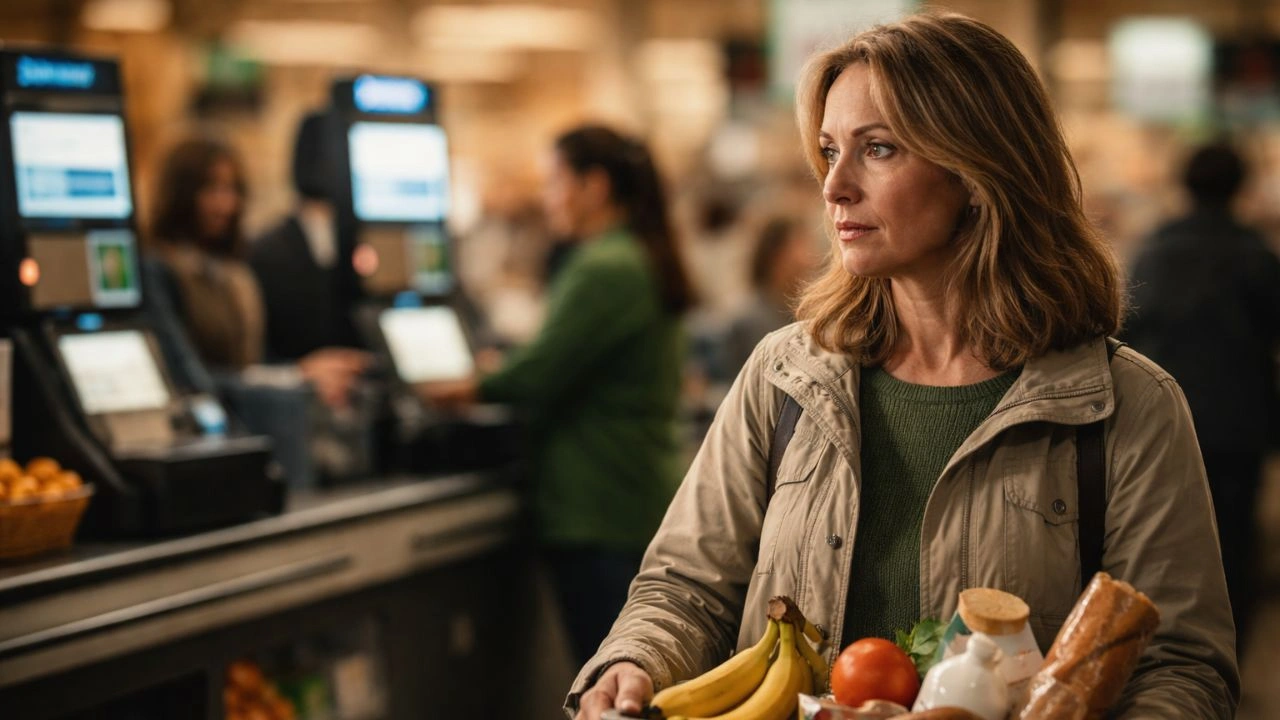
People who choose not to use self checkout are not inefficient, psychology says they are fulfilling a need for small human exchanges that machines eliminate. This idea challenges the assumption that faster always means better. In a world increasingly shaped by automation, small human interactions are quietly disappearing from everyday routines. A brief conversation with a cashier, a simple greeting, or even eye contact can provide a subtle sense of connection. These moments may seem insignificant, yet they play an important role in emotional well being. Psychology suggests that people who prefer traditional checkout are not resisting technology, but responding to a deeper human need for connection that machines cannot replicate.
The hidden value of everyday human interaction
People who choose not to use self checkout are not inefficient, psychology says they are fulfilling a need for small human exchanges that machines eliminate, and this need often goes unnoticed. Human beings are naturally social, even in the smallest ways. A short exchange at a supermarket may not seem meaningful, but it contributes to a sense of belonging and normalcy. These interactions can improve mood, reduce feelings of isolation, and create a sense of routine. When these moments are removed, people may feel a subtle emotional gap without fully understanding why. The presence of even brief social contact can make daily life feel more grounded and connected.
Technology and the loss of micro connections
People who choose not to use self checkout are not inefficient, psychology says they are fulfilling a need for small human exchanges that machines eliminate, especially as technology continues to replace traditional roles. Self checkout systems are designed for speed and convenience, but they remove the human element from the experience. While efficiency increases, opportunities for casual interaction decrease. Over time, this shift can lead to a more isolated environment where human contact becomes limited to intentional social settings. The absence of spontaneous interactions may affect how people experience everyday life. This highlights a trade off between convenience and connection that often goes unnoticed.
Why small interactions matter more than we think
People who choose not to use self checkout are not inefficient, psychology says they are fulfilling a need for small human exchanges that machines eliminate, and these small exchanges can have a larger impact than expected. Even brief interactions can boost emotional well being and create a sense of familiarity in public spaces. They act as reminders that individuals are part of a shared social environment. For some people, these moments may be the only human contact they experience in a day. This makes them more valuable than they appear on the surface. Choosing human interaction over automation is not a step backward, but a conscious or unconscious effort to maintain social balance.
Final Thought
People who choose not to use self checkout are not inefficient, psychology says they are fulfilling a need for small human exchanges that machines eliminate. This perspective reminds us that progress is not only about speed and convenience, but also about preserving the human connections that give everyday life meaning.